




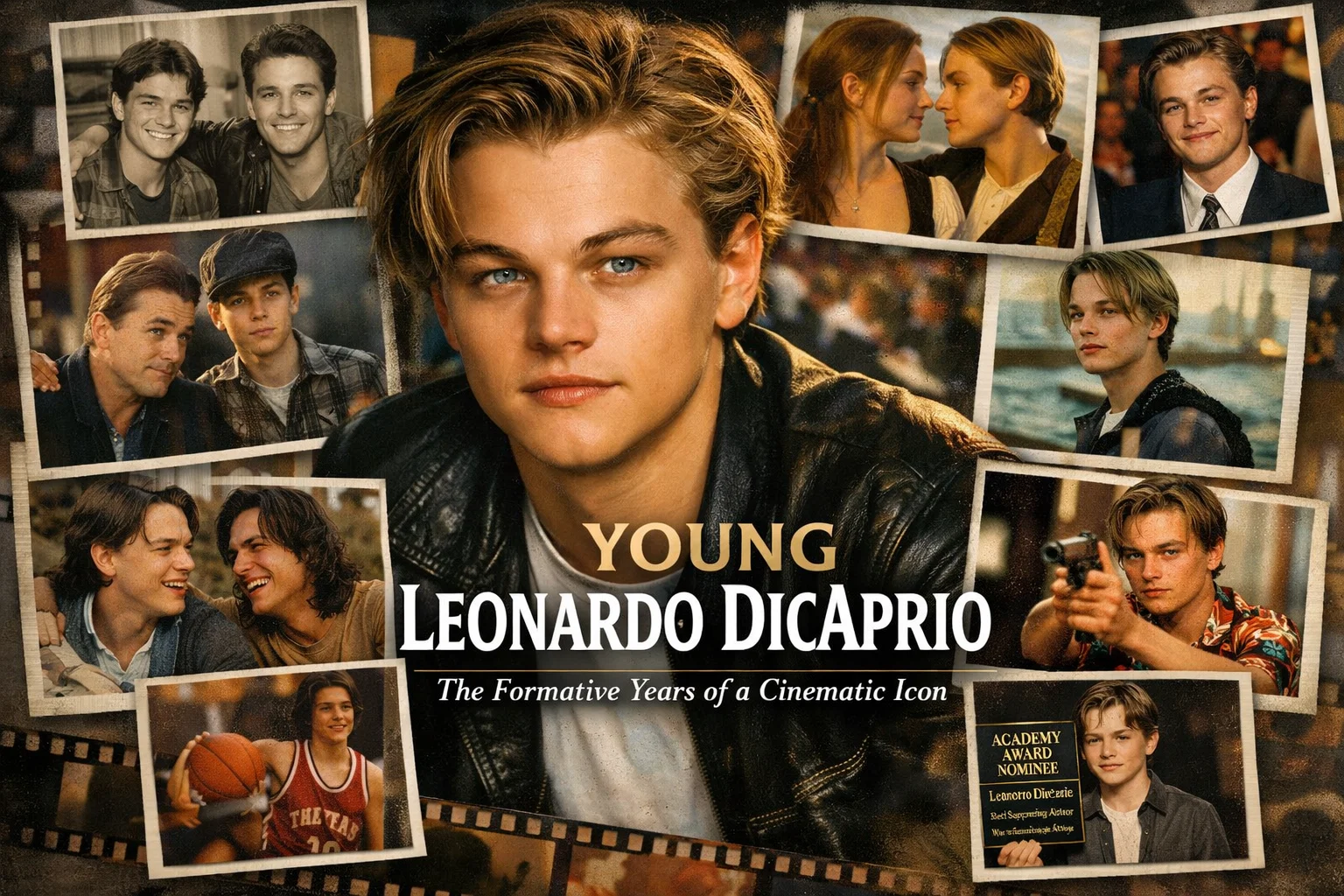
Young Leonardo DiCaprio: The Formative Years of a Cinematic Icon
Before the Oscar statuettes and the decades of critical acclaim, there was a raw, electric talent captivating audiences with a maturity that defied his years. The era of young Leonardo DiCaprio represents more than just a handsome face; it was a concentrated burst of artistic daring that reshaped the trajectory of Hollywood stardom in the 1990s. From his heartbreaking turn as a developmentally disabled youth to his Shakespearean passion and eventual coronation as the king of the world, young Leonardo DiCaprio didn’t just take roles—he consumed them, setting a new standard for what a teen idol could be. This article explores the foundational period of his career, examining the key performances, cultural impact, and strategic choices that transformed a child actor into a generational talent.
The Early Breakthrough: From Sitcoms to Soulful Depth
Long before Titanic, DiCaprio was a working actor, grinding through commercials and sitcom guest spots. His true arrival came not with fanfare, but with soulful intensity in two 1993 roles. First, as the neglected, troubled stepson Arnie Grape in What’s Eating Gilbert Grape, the young Leonardo DiCaprio delivered a performance of astonishing empathy and physical commitment. His portrayal earned him his first Academy Award nomination at just 19, signaling to the industry that this was not a typical child actor. He was a character artist in a teen idol’s body.
That same year, he matched Robert De Niro scene for scene in This Boy’s Life, embodying the defiant vulnerability of Tobias Wolff. These roles established a pattern: young Leonardo DiCaprio sought out complex, psychologically rich characters, often outsiders or victims of circumstance. He avoided the easy, comedic teen roles of the era, gravitating instead toward material that showcased a preternatural understanding of human pain and resilience. This strategic choice from the outset defined his path and separated him from his peers.
Crafting the Heartthrob Archetype with Substance
The mid-90s saw DiCaprio strategically navigate his rising fame. He embraced his matinee idol looks but funneled them into roles that subverted or complicated the heartthrob image. As the heroin-addicted poet Jim Carroll in The Basketball Diaries, he was raw and harrowing. As the passionate, doomed Romeo in Baz Luhrmann’s Romeo + Juliet, he became the embodiment of Gen-X romanticism, blending Shakespearean dialogue with a manic, skateboarding energy that made classical tragedy feel urgently contemporary.
This period cemented the duality of young Leonardo DiCaprio‘s appeal. He was a pin-up for teenage bedrooms worldwide, yet his film choices were critically respected and often deeply unsettling. He leveraged his commercial appeal to gain entry into ambitious projects, using his star power as a tool for artistic risk rather than pure box-office safety. This balancing act—between mainstream idol and serious actor—became the defining tension and ultimate strength of his early career.
The Titanic Phenomenon and Redefining Global Stardom
In 1997, James Cameron’s Titanic launched DiCaprio into a stratosphere of fame rarely witnessed. As Jack Dawson, the young Leonardo DiCaprio perfected the persona of the charismatic, free-spirited artist. His performance was accessible, emotionally genuine, and crucially, served as the audience’s conduit into a historical epic. The film’s unprecedented success made him the most famous young actor on the planet, a title fraught with both immense opportunity and artistic peril.
The onslaught of “Leo-mania” was a cultural event in itself. It demonstrated his unique connection with audiences, but it also threatened to typecast him as merely a romantic lead. Reflecting on this time, critic Owen Gleiberman noted, “The genius of young Leonardo DiCaprio was that he made profundity look instinctual. In Titanic, he wasn’t just playing a lover; he was embodying the idea of uncynical hope, which is why the film’s tragedy resonated so deeply.” This role proved his unparalleled ability to anchor a blockbuster with authentic human feeling.
Post-Titanic Pivot: Navigating the Blockbuster Aftermath
In a move that defined his long-term career, DiCaprio did not chase another mega-blockbuster in the wake of Titanic. Instead, he pivoted toward collaborations with master directors and ensemble casts. He worked with Woody Allen (Celebrity), Sam Raimi (The Quick and the Dead), and most importantly, began his legendary partnership with Martin Scorsese. This deliberate step back from the epicenter of hype was a masterclass in career management.
The Definitive Guide to Leonardo DiCaprio’s Girlfriend History and Dating Patterns
He sought roles that were darker, more morally ambiguous, and often less overtly sympathetic. From the manipulative French monarch in The Man in the Iron Mask to the drug-fueled stockbroker in The Wolf of Wall Street (though that came later), the blueprint was set. The young Leonardo DiCaprio used his commercial capital to buy creative freedom, ensuring he would be taken seriously as an actor for decades, not just as a fleeting moment of teen obsession. This pivot is why his stardom endured while others faded.
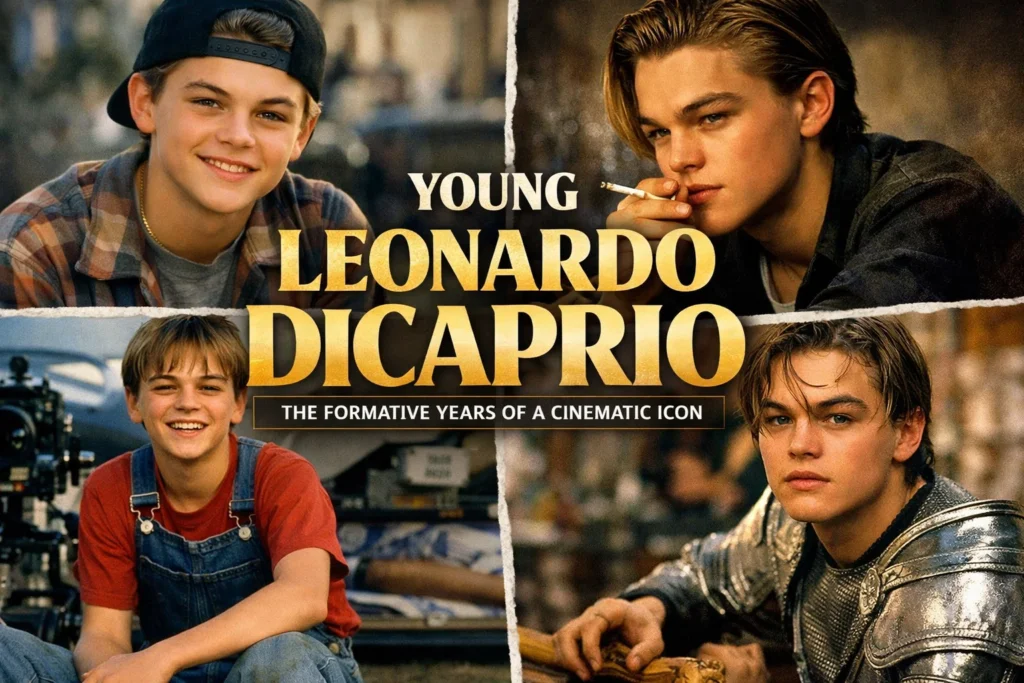
The Evolution of Young Leonardo DiCaprio: A Performance Timeline (1993-2000)
This table tracks the key roles and artistic evolution of DiCaprio during his formative period, highlighting the strategic diversity of his choices.
| Year | Film | Role | Career Impact & Significance |
| 1993 | What’s Eating Gilbert Grape | Arnie Grape | Breakthrough. Earned first Oscar nomination (Supporting Actor). Proved depth and commitment, shattering “child actor” limits. |
| 1993 | This Boy’s Life | Tobias “Toby” Wolff | Credibility. Held his own against De Niro. Established his skill in portraying gritty, dramatic realism. |
| 1995 | The Basketball Diaries | Jim Carroll | Risk-Taking. Embraced a dark, physically demanding role about addiction. Solidified his “serious actor” credentials with young audiences. |
| 1996 | Romeo + Juliet | Romeo Montague | Cultural Icon. Modernized a classic, becoming the definitive romantic hero for a generation. Merged high art with pop appeal. |
| 1997 | Titanic | Jack Dawson | Global Superstardom. Became the biggest movie star in the world. Showcased his ability to anchor a historic blockbuster with heart and accessibility. |
| 1998 | The Man in the Iron Mask | King Louis XIV / Philippe | Post-Titanic Choice. A traditional, big-budget period piece. Demonstrated his bankability but also a brief return to safer material. |
| 2000 | The Beach | Richard | Pivotal Experiment. A critical and commercial misstep that explored paranoia and disillusionment. Marked the end of his pure “young heartthrob” phase. |
The Scorsese Collaboration and Forging a New Path
The most significant professional relationship of DiCaprio’s career began in 2002 with Gangs of New York, but it was germinated in the ambitions of the young Leonardo DiCaprio. Seeking to shed the last vestiges of Jack Dawson, he actively pursued a partnership with Martin Scorsese, a director renowned for gritty, masculine, and psychologically complex films. This was a conscious rebranding from golden boy to formidable actor.
In Gangs of New York and The Aviator, DiCaprio delved into obsessiveness, ambition, and moral corrosion. These roles required a hardness and intensity that his earlier boyish charm had masked. This collaboration marked his full transition from a promising young talent to a durable leading man capable of driving adult-oriented, auteur-driven projects. It was the final, masterful step in evolving beyond the constraints of his own youthful image.
The Enduring Cultural Legacy of His Early Work
The films featuring young Leonardo DiCaprio did more than build a filmography; they shaped the cinematic tastes of a generation. He made period pieces and literary adaptations feel vital and cool. He proved that a massive commercial hit could be emotionally sincere. His career strategy became a model for subsequent actors seeking longevity: establish dramatic credibility early, leverage commercial success for creative control, and align with visionary directors.
Today, his early performances are revisited not as nostalgia, but as benchmarks. The rawness of Arnie Grape, the fervor of Romeo, and the effortless charm of Jack Dawson remain touchstones in pop culture. They represent a specific moment when actorly ambition and pop superstardom converged, creating a star who was both of the moment and built for the long haul. The blueprint set by the young Leonardo DiCaprio continues to influence how talented young actors navigate their careers.
Conclusion
The chapter of young Leonardo DiCaprio is a masterclass in the art of building a lasting career. It was a period of astonishing range, from profound disability to Shakespearean passion to history-making romance. Each role was a deliberate brick in the foundation of his artistic identity, laid with a strategic understanding of both the industry and his own evolving capabilities. He never allowed himself to be comfortably defined, constantly using his fame as a lever to access more challenging material. The legacy of the young Leonardo DiCaprio is not just a collection of memorable performances, but a roadmap—demonstrating that true stardom is not about avoiding typecasting, but about relentlessly outgrowing it. The iconic actor we know today was fully formed in the daring, electric choices of that young man.
Frequently Asked Questions About Young Leonardo DiCaprio
How old was young Leonardo DiCaprio in Titanic?
Leonardo DiCaprio was 22 years old during the filming of Titanic in 1996, which was released in 1997. His portrayal of the 20-year-old Jack Dawson cemented the image of the young Leonardo DiCaprio as a global romantic icon, showcasing the peak of his early heartthrob stardom.
What was Leonardo DiCaprio’s first major movie role?
While he had earlier TV and film parts, his first major, critically acclaimed role was as Arnie Grape in What’s Eating Gilbert Grape (1993). This performance is widely considered the true breakthrough for the young Leonardo DiCaprio, earning him his first Oscar nomination and establishing his serious dramatic chops.
Did young Leonardo DiCaprio do his own drawing in Titanic?
Yes, the sketches of Rose that Jack Dawson produces in the film were drawn by young Leonardo DiCaprio himself. Director James Cameron included DiCaprio’s own artwork in the film, adding a layer of authenticity to his portrayal of the freelance artist character.
Why didn’t young Leonardo DiCaprio win an Oscar for Titanic?
Despite the film’s historic success, DiCaprio was not nominated for an Oscar for Titanic. The Academy Awards that year heavily favored the film in technical categories, but the acting nominations went elsewhere. This “snub” became a famous narrative that followed the young Leonardo DiCaprio for years until his eventual win for The Revenant.
How did young Leonardo DiCaprio choose his early roles?
Even as a teenager, DiCaprio was drawn to complex, challenging characters over typical teen comedies. He and his team strategically selected roles that showcased his depth and prevented him from being typecast. This intelligent curation by the young Leonardo DiCaprio and his management is a key reason his career displayed such remarkable range and longevity from the start.
YOU MAY ALSO READ