




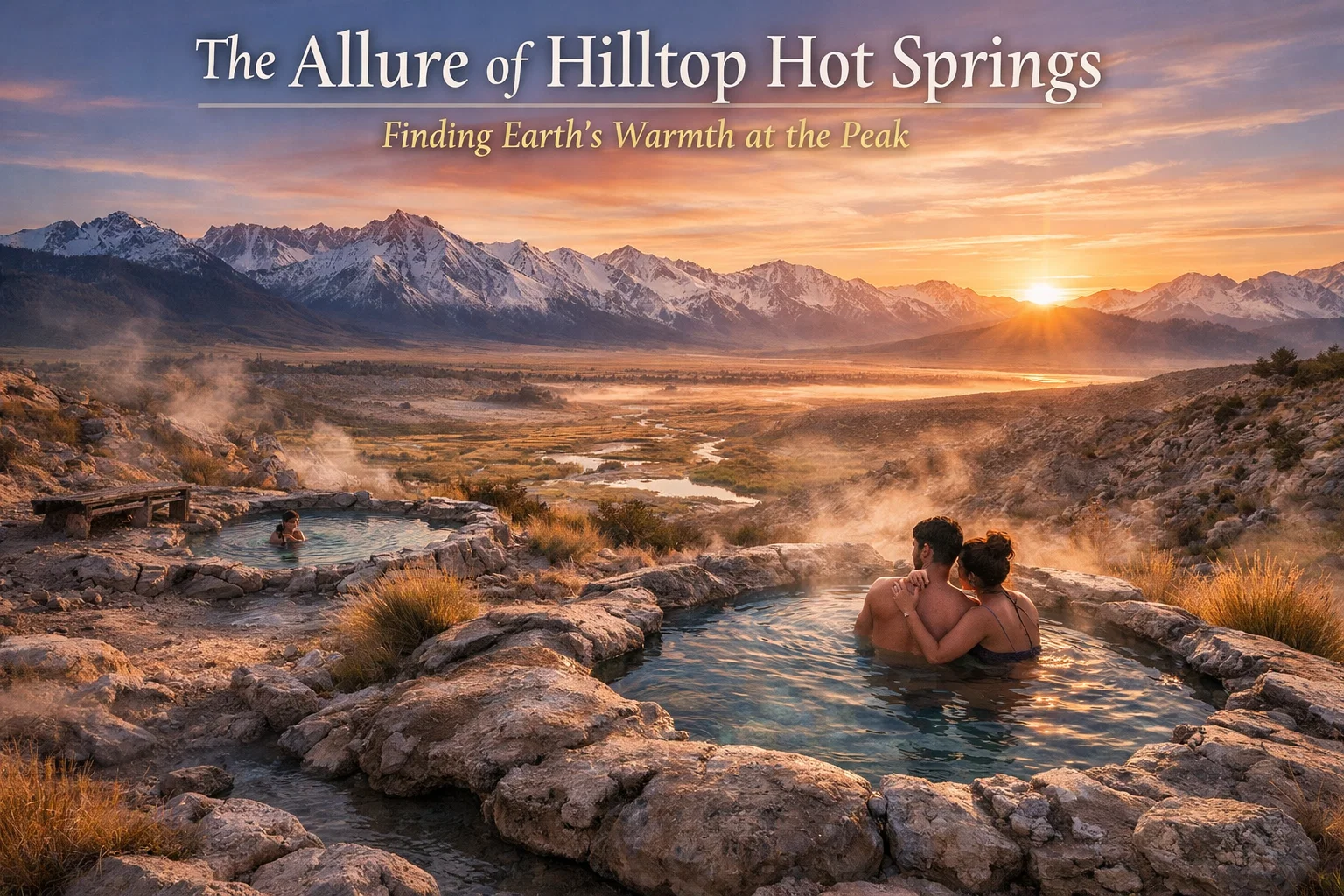
The Allure of Hilltop Hot Springs: Finding best Earth’s Warmth at the Peak
There is a unique magic to discovering a steaming, mineral-rich pool perched high above the world. Unlike their valley-bottom cousins, hilltop hot springs offer more than just a soothing soak. They deliver a profound sensory experience—a fusion of geothermal warmth, breathtaking panoramic views, and a palpable sense of secluded discovery. This article is your definitive guide to understanding and seeking out these elevated geothermal treasures. We’ll explore their geological origins, the unparalleled benefits of an alpine soak, and practical strategies for finding your own perfect hilltop hot springs experience, responsibly and safely.
The Unique Geology of Elevated Thermal Springs
Hilltop hot springs are fascinating geological anomalies. Most geothermal activity occurs in valleys or basins where water can easily pool. For a hot spring to exist on a hilltop, ridge, or mountainside requires a specific and forceful set of underground conditions. This typically involves a deep, vertical fault line that acts as a superhighway for rainwater and snowmelt, channeling it deep into the earth where it’s heated by magma chambers before being pressured back up along the same fault to emerge at elevation.
The journey this water takes is key to its character. The intense pressure and long path through mineral-rich rock create deeply therapeutic waters, often with high concentrations of silica, lithium, or calcium. The result is a rare hilltop hot spring that feels like a secret gift from the planet’s core, offering both physical warmth and a stunning vantage point earned by the water’s incredible journey from the depths to the heights.
The Unbeatable Benefits of a Panoramic Soak
The advantages of soaking in any geothermal pool are well-documented, from muscle relaxation to improved circulation. A hilltop hot springs experience amplifies these benefits by adding a powerful psychological and sensory dimension. The act of soaking while gazing over a vast landscape—whether it’s a forested valley, a rugged canyon, or a distant mountain range—induces a state of awe. This feeling can lower stress hormones more effectively than a standard soak, creating a profound sense of peace and perspective.
Furthermore, the elevation often means cleaner air, fewer insects, and a greater sense of privacy and immersion in nature. The combination of thermal warmth on your skin and cool, crisp air on your face is invigorating. This multi-sensory engagement turns a simple soak into a memorable ritual of connection, making a visit to a hilltop thermal spring as much about the view and the ambiance as it is about the mineral content of the water.
Planning Your Journey to a Hilltop Soak
Successfully reaching a rewarding hilltop hot springs demands more planning than driving to a roadside resort. Your first step is thorough research. Utilize specialized hiking forums, geothermal guidebooks, and public land management websites to find reliable, recent information on access and conditions. Pay close attention to key details: the required hike’s difficulty and length, current road conditions to the trailhead, and any seasonal closures. Remember, many of the best elevated hot springs are on public land and require a respectful, pack-in/pack-out ethos.
Packing strategically is non-negotiable. Essentials include ample water (the soak is dehydrating), high-energy snacks, a quick-dry towel, and sturdy footwear for the approach. Always pack a warm layer—temperatures drop quickly at altitude, especially after sunset. Crucially, have a reliable map or offline GPS capability; cell service is often non-existent in these remote areas. Thinking ahead turns a challenging trek into a comfortable adventure.
The Critical Importance of Stewardship and Safety
These fragile alpine ecosystems require our utmost care. Hilltop Hot Springs The mantra “leave no trace” is paramount. Soak without soaps or lotions, pack out every piece of trash (including food waste), and stay on established trails to prevent erosion. Many hilltop hot springs exist in delicate hydrological balances; altering rock formations to dam or deepen pools can irreparably damage the spring’s flow and temperature for everyone who follows.
Safety is equally personal. Test water temperature carefully before entering; geothermal sources can be scalding. Soak for limited periods (10-15 minutes at a time) to avoid dizziness, and never soak alone. Be acutely aware of weather changes, as high elevations are prone to sudden storms. As one experienced wilderness guide notes, “The reward of a hilltop mineral spring is immense, but it’s not a curated spa. You are a guest in a powerful natural system. Your safety and the spring’s preservation are your own responsibilities.”
Comparing Types of High-Elevation Hot Springs
Not all hilltop hot springs are created equal. Their character and accessibility fall into broad categories, each offering a different experience. Understanding these types helps you match an adventure to your expectations and skill level.
| Spring Type | Access & Development | Typical Ambiance & Crowds | Key Considerations & Best For |
| Wild & Remote | Long, difficult hike or 4×4 road required. Zero facilities. | Complete solitude or small, quiet groups. Deep immersion in nature. | Expert navigators, solitude-seekers. Requires full self-sufficiency and wilderness skills. |
| Managed Natural Pool | Moderate hike from an accessible trailhead. May have minimal infrastructure like rock-walled pools. | Can be popular, especially on weekends. Social, community-focused atmosphere. | Hikers wanting a natural experience with some social element. Good for first-time backcountry soakers. |
| Alpine Resort Spring | Drive-up or short walk from a commercial lodge. Man-made pools fed by natural source. | Resort-like, can be crowded. Amenities like changing rooms and lodging available. | Comfort-focused travelers, families, or those seeking a blend of nature and convenience after a day of skiing or hiking. |
| Geothermal Feature (Non-Soakable) | Varies; often a short walk from a boardwalk or interpretive area. | Viewing-only, managed by parks services. Educational focus. | Sightseers, photographers, and those interested in geology without the intent to soak. |
Capturing the Moment Without Disrupting It
In the age of social media, the desire to photograph a stunning hilltop hot spring is natural. However, it’s vital to prioritize the experience and the privacy of others over the perfect shot. If you choose to photograph, do so discreetly. Use a telephoto lens from a distance to capture the scene without including other soakers. Never fly a drone over a pool; the noise and intrusion shatter the tranquility and are illegal in many wilderness areas.
Consider a more impactful approach: take mental pictures. Immerse yourself fully in the sensation of the warm water, the sound of the wind, and the vastness of the view. The true memory, unmediated by a screen, will last longer and be more meaningful. If you do share a location online, practice “geo-tagging thoughtfully”—share the general region instead of pinning the exact, fragile location to protect it from being loved to death.
Navigating the Ethical Considerations of Seclusion
The very seclusion that makes a mountain top hot spring magical also creates an ethical tightrope. Popularizing a once-secret location through online reviews or geotags can lead to rapid overcrowding, litter, and ecological damage. Before widely sharing a find, consider if the location has the infrastructure and resilience to handle more visitors. Often, it does not.
A more sustainable practice is to become a steward of obscurity. When asked directly for details, you might share general guidance about how to research springs safely rather than giving coordinates. Encourage the principles of discovery and preparedness over the expectation of a guaranteed pin on a map. This helps preserve the sense of adventure and protects sensitive ecosystems, ensuring these high-altitude hot springs remain pristine for future explorers who are willing to put in the respectful effort to find them.
Conclusion
A hilltop hot springs is more than a destination; it’s a symphony of natural elements. It represents the powerful, upward journey of earth’s inner heat meeting the majestic silence of high places. The pursuit requires preparation, respect, and a willingness to embrace the journey as part of the reward. By approaching these elevated sanctuaries with a mindset of stewardship and presence, you earn not just a soak, but a profound moment of connection—suspended in warmth between the earth below and the sky above. Let that be the true treasure you seek.
Frequently Asked Questions About Hilltop Hot Springs
What is the best time of year to visit a hilltop hot springs?
The ideal season depends on location. Summer and early fall offer the safest hiking access to most hilltop hot springs. Winter visits can be magical but are for experts only, requiring knowledge of avalanche safety, extreme cold-weather gear, and the understanding that trails will be obscured by snow. Always check seasonal road and trail closures before planning your trip.
Are hilltop hot springs safe for children?
This depends entirely on the specific spring. A commercial alpine hot spring resort with regulated temperatures and lifeguards may be suitable. Wild, remote hilltop hot springs are generally not safe for young children due to unpredictable water temperatures, strong currents near the source, difficult access, and a lack of emergency services. Always err on the side of caution.
What should I wear to and in a hilltop hot spring?
Hike in sturdy, comfortable clothes and boots. For soaking, most people wear a swimsuit. In very remote springs where nudity is the accepted norm, be discreet and follow the established culture of the place—if others are clothed, you should be too. Always have dry, warm clothes (like a fleece and insulated jacket) to change into immediately after your soak to prevent hypothermia.
How do I know if a hilltop hot spring is on public land?
You must verify this through official sources. Use mapping apps like Gaia GPS with public land layers (e.g., BLM, USFS, National Park) or consult the managing agency’s website. Soaking in a hilltop hot spring on private land without permission is trespassing. Responsible research ensures you respect property rights and avoid confrontation.
Can the water in hilltop hot springs carry bacteria?
Yes, natural hot springs can contain organisms like Naegleria fowleri (extremely rare) or other bacteria. Avoid putting your head completely underwater and never drink the spring water. Soaking is generally safe for healthy individuals, but those with open wounds or compromised immune systems should consult a doctor first. The mineral content, not bacteria, is usually the primary therapeutic agent.